Trump and Xi Will Meet in Beijing. The Iran War Has Rewritten the Agenda.
The March 31 summit was supposed to be about trade. Now it is about leverage, and China has more of it than it did a month ago.
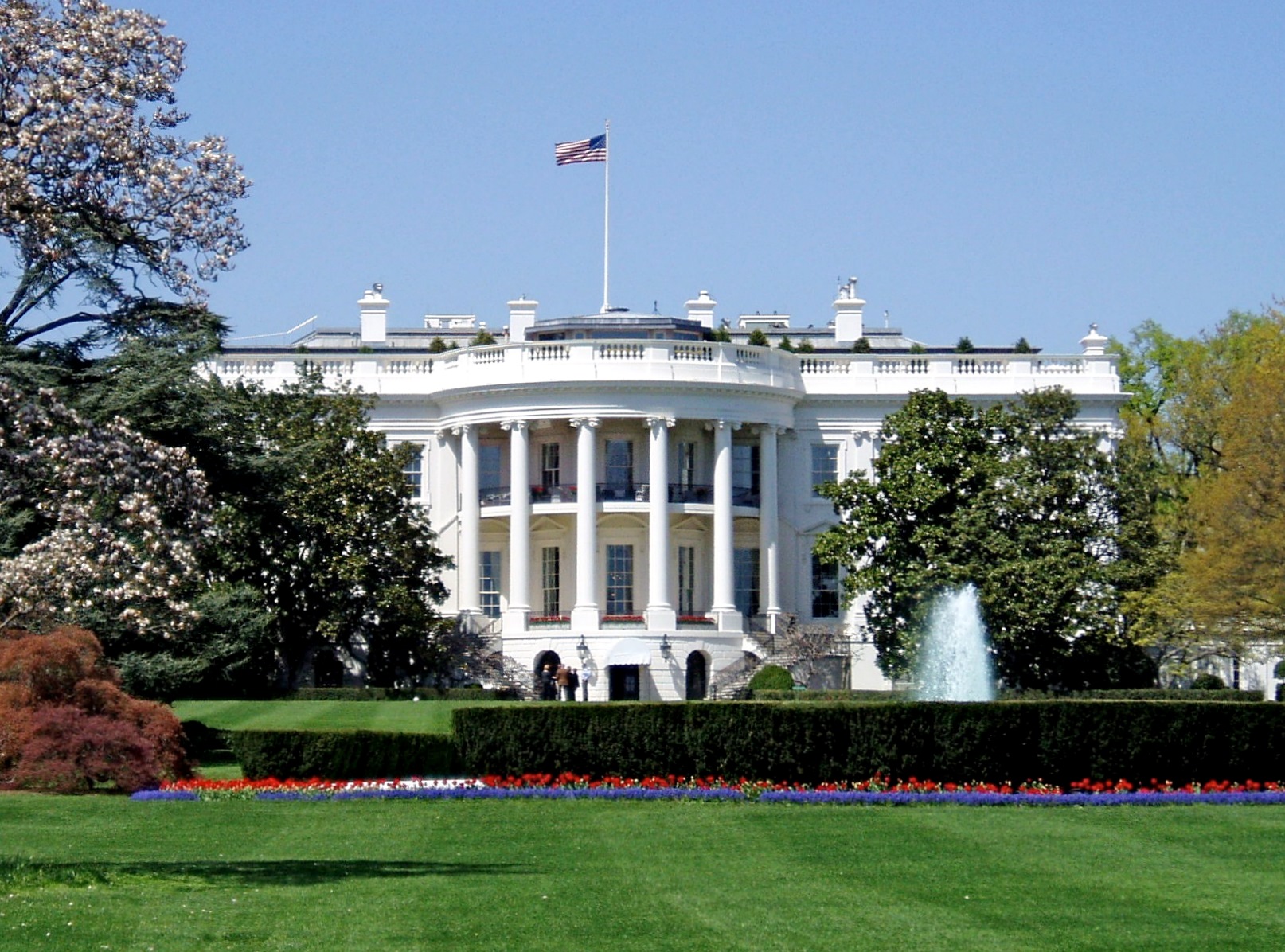
When the White House confirmed that President Trump would travel to Beijing on March 31 for a summit with President Xi Jinping, his first presidential visit to China since 2017, the agenda was expected to center on trade. The tariff truce reached last October, which reduced duties on both sides from the triple-digit levels that had paralyzed bilateral commerce, expires in one year. Both governments need either an extension or a more durable framework.
That agenda has not been abandoned, but it has been overtaken. The Iran conflict, the Supreme Court's IEEPA tariff ruling, and the Strait of Hormuz closure have collectively shifted the balance of leverage in ways that favor Beijing and complicate Washington's negotiating position.
China's Improved Hand
The arithmetic is straightforward. The United States is engaged in a military campaign that is straining its naval assets, consuming its diplomatic bandwidth, and generating an energy shock that threatens to tip a fragile American economy into recession. Moody's currently places the probability of a U.S. recession at 42 percent. The S&P 500 is down more than 3 percent year-to-date. Seventy-two percent of Americans hold a negative view of the economy.
A president facing these headwinds needs a win. A trade deal with China, or at least a visible extension of the current truce, would be the most accessible foreign policy achievement available. Beijing knows this.
The Supreme Court's IEEPA ruling has further strengthened China's position. The decision eliminated the president's most expansive tariff authority and raised questions about the durability of tariffs imposed under other statutes. For Chinese negotiators, this creates uncertainty about whether any concessions they make will be matched by enforceable American commitments. Why offer trade concessions to a president whose authority to deliver on his side of the bargain is being litigated in court?
What China Wants
Beijing's priorities have been consistent: the removal or reduction of tariffs, an end to technology export controls that restrict Chinese access to advanced semiconductors, and a framework for managing the Taiwan question that reduces the risk of military confrontation.
On tariffs, the October truce provides a template. Both sides reduced duties to below 50 percent, still elevated by historical standards but low enough to allow trade to function. An extension, with modest additional reductions, is the most likely outcome of the summit. Neither side has an interest in returning to the tariff levels that prevailed before the truce.
On technology, China's position has hardened. The export controls on advanced chips and semiconductor manufacturing equipment have accelerated Chinese investment in domestic alternatives. Beijing's demand is no longer merely the removal of controls but recognition that the controls have failed to prevent Chinese technological advancement and should be abandoned as counterproductive. This is an argument that has some support among American semiconductor executives, who have watched their Chinese market share evaporate while Huawei and SMIC continue to make progress.
On Taiwan, the summit will be an exercise in creative ambiguity. Neither side can afford a confrontation, but neither can afford to appear to have conceded anything. Taiwan's domestic defense budget fight, in which the opposition KMT has slashed the Lai administration's proposed defense spending, provides Beijing with evidence that its strategy of patient pressure is working, reducing the incentive to make concessions on cross-strait issues.
What America Should Want
The administration's trade strategy has been characterized by tactical boldness and strategic ambiguity. Tariffs have been imposed, removed, reimposed, and challenged in court. The stated goal, reducing the trade deficit and reshoring manufacturing, is reasonable. The execution has been erratic.
A productive summit would accomplish three things. First, it would extend the tariff truce for a minimum of two years, providing the predictability that American businesses need to make investment decisions. Short-term truces create a permanent state of uncertainty that depresses investment regardless of the tariff level.
Second, it would establish a structured dialogue on technology competition that distinguishes between genuine national security concerns (advanced military applications, surveillance technology, critical infrastructure) and commercial competition. The current approach, which treats every semiconductor as a potential weapon, is unsustainable and damages American companies more than it constrains Chinese advancement.
Third, it would produce a credible mechanism for managing the inevitable frictions in the relationship (trade disputes, maritime incidents, espionage allegations) without allowing any single issue to escalate into a broader confrontation. The existing diplomatic channels are thin and fragile. They need institutional reinforcement.
The Iran Complication
The Iran war complicates every element of this agenda. China is Iran's largest oil customer and has maintained economic ties throughout the conflict. Beijing has not endorsed the U.S. military campaign and has called for an immediate ceasefire. Any summit that produces a trade deal while the Iran question hangs in the background will be criticized. from the right as rewarding Chinese complicity with Iran, and from the left as prioritizing commerce over human rights.
The administration will need to compartmentalize, treating the trade relationship as separate from the Iran conflict while maintaining pressure on Chinese banks that facilitate sanctions evasion. This is diplomacy at its most difficult: managing multiple contradictory interests simultaneously without allowing any single issue to become a deal-breaker.
Three weeks remain before the summit. American and Chinese trade negotiators are meeting in Paris this week to prepare. The substantive distance between the two sides is manageable. The political distance, shaped by the Iran war, the tariff litigation, and the approaching midterm elections, is considerably wider.
Related Stories

The Tariff Truce Expires in October. Bessent Is Going to Beijing.
Treasury Secretary Scott Bessent will travel to Beijing in early June for working-level meetings on the trade truce, in the first cabinet-level American visit since the Iran war began.
May 18, 2026 · 7 min read

Netanyahu Convenes Security Cabinet After Muscat Collapse
Prime Minister Benjamin Netanyahu convened an emergency session of Israel's Security Cabinet on Saturday morning hours after Muscat Round 3 ended without agreement, in a meeting Israeli officials described as a review of military options.
May 16, 2026 · 6 min read

Chinese Foreign Minister Arrives in Tehran on Unannounced Visit
Chinese Foreign Minister Wang Yi arrived in Tehran on Tuesday morning unannounced, the first cabinet-level Chinese visit to Iran since the U.S. naval blockade began on April 12.
May 12, 2026 · 6 min read